A common misconception in DeFi is that wallet security begins and ends with protecting a seed phrase. That matters, of course, but many losses happen after the phrase remains completely private. A user may approve a malicious token allowance, sign a transaction on the wrong network, install a counterfeit browser extension, or accept a contract interaction whose consequences are difficult to see in a wallet window. Security is therefore not just a storage problem. It is a decision-making problem at the point where human intent meets opaque smart-contract code.
Gas optimization belongs in the same conversation. Trying to reduce transaction costs can lead users toward unfamiliar aggregators, rushed confirmations, or suspicious “gas refund” offers. The safer objective is not simply to pay the lowest possible fee. It is to achieve the intended result with a reasonable cost, a clearly understood transaction, and a controlled downside if something behaves unexpectedly.
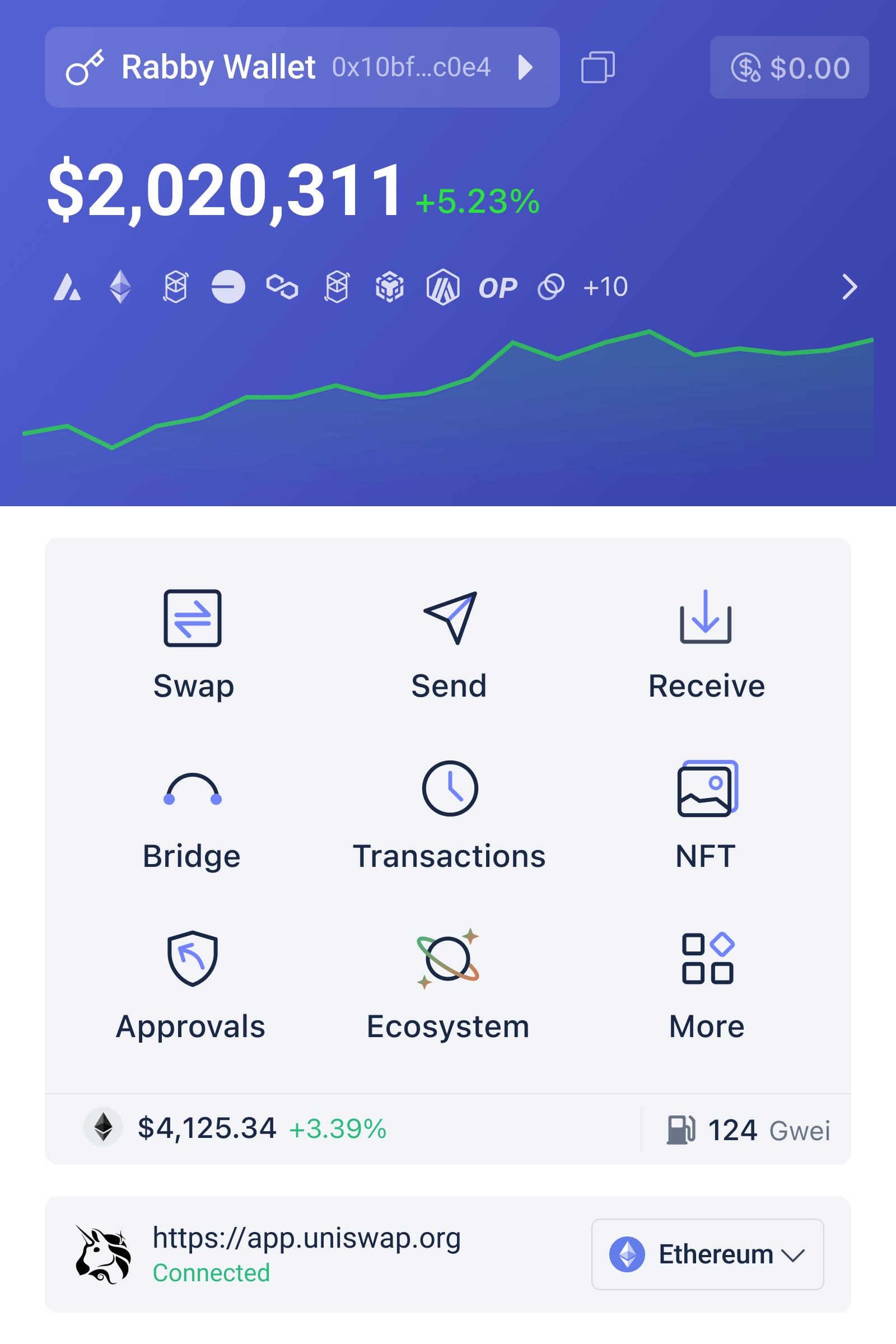
What a DeFi wallet actually protects
A cryptocurrency wallet does not hold coins in the same way a physical wallet holds cash. On a blockchain, assets are recorded by smart contracts and accounts. The wallet manages cryptographic keys and helps the user create messages or transactions that the network can verify. That distinction explains both the power and the risk of self-custody: the wallet can authorize an action, but it cannot usually reverse a valid transaction after the network accepts it.
The most important security boundary is the difference between a transaction and a signature. A transaction may move native currency, call a contract, or change a token approval. A signature can also authorize off-chain messages that another party later submits. Some signatures look harmless because they do not immediately move funds, yet they may grant a protocol or marketplace permission to act later. The practical question is not merely, “Did I send money?” It is, “What authority did I grant, to whom, and for how long?”
This is why transaction simulation and human-readable explanations can be useful. A wallet that shows expected balance changes, contract targets, token approvals, and network details gives the user more context than a raw hexadecimal data field. That context does not prove that a transaction is safe. A malicious contract can produce an explanation that appears plausible, and simulations depend on the state of the blockchain at the time they run. Still, better visibility improves the quality of the decision.
Users in the United States should also treat the installation step as part of the security model. Search results, social media posts, and sponsored advertisements can lead to imitations of popular wallet software. Downloading the rabby extension should be approached as a verification task: confirm the source, inspect the publisher information, check the requested permissions, and never enter a seed phrase into a website or extension prompt that claims to “activate” or “synchronize” the wallet.
Gas: the mechanism behind the number
Ethereum-style networks calculate a transaction fee from two basic components: the amount of computational work requested, measured in gas units, and the price paid for each unit of gas. A useful simplified model is:
Transaction fee = gas used × gas price.
The first part is determined largely by the action. A simple transfer generally requires less computation than a token swap, and a swap may require more or less gas depending on the number of contracts and liquidity venues involved. The second part changes with network demand. On networks using a base fee and a user-selected priority fee, the base fee reflects congestion while the priority fee helps determine how quickly validators or block builders include the transaction.
This leads to a non-obvious point: “gas optimization” has two different meanings. One is reducing the gas units consumed by a transaction. The other is choosing when and where to transact so that the price per unit is lower. A user cannot usually make a complicated contract call as cheap as a basic transfer simply by changing a wallet setting. But the user may be able to avoid a congested period, select a suitable network, batch related actions when a trusted application supports it, or avoid unnecessary approval transactions.
There is a trade-off in every optimization. Waiting for a lower fee may save money, but a time-sensitive position can change while the transaction sits pending. Choosing a different chain may reduce the fee, but it introduces bridge risk, different liquidity conditions, and sometimes weaker infrastructure. A transaction with a lower quoted cost can become more expensive in practice if slippage, failed execution, or a second corrective transaction is required.
How to use a wallet more defensively
Before confirming a DeFi action, separate the decision into three layers. First, verify the environment: is the correct wallet account selected, is the network correct, and did the request originate from the application you intended to use? Second, verify the authority: which contract is being called, what tokens or permissions are involved, and whether an approval is limited or effectively unlimited? Third, verify the economics: how much gas is being paid, what slippage is permitted, and what asset balance should remain after execution?
Token approvals deserve special attention because they can outlive the transaction that created them. An approval tells a contract how much of a token it may transfer from an account. If the allowance is unlimited, the user may have granted more authority than the immediate swap requires. Limiting an approval to the needed amount can reduce exposure, although it may require another approval later and therefore another transaction fee. Revoking old approvals can also improve hygiene, but revocation itself costs gas and does not repair a compromise that has already occurred.
Hardware wallets can strengthen key protection by keeping signing material away from an ordinary computer, but they do not make every transaction safe. A hardware device can still sign a malicious contract call if the user approves it. The device protects the key; it does not replace careful interpretation. Similarly, a browser wallet can be secure in one context and dangerous in another if the computer is infected, the extension is counterfeit, or the user is tricked into signing an unexpected request.
Gas settings also require restraint. Setting an unusually low fee can leave a transaction pending, while repeatedly replacing it can create confusion about which transaction is active. Setting an unusually high fee may be unnecessary, especially when the network is not congested. The safest practice is to understand the wallet’s fee estimate, distinguish urgency from impatience, and avoid approving a request merely because a website claims that immediate confirmation is required.
Where wallet warnings reach their limits
Wallet alerts and simulations are valuable risk-reduction tools, not guarantees. They may identify suspicious approvals, unexpected token movements, or a mismatch between the expected and actual result. Yet smart contracts can depend on changing market conditions, oracle data, block timing, and interactions with other contracts. A simulation may not capture every state change that occurs before execution. Some assets may also have unusual transfer behavior that makes a result harder to interpret.
There is a broader limitation: security tools tend to be strongest at detecting technical inconsistency, while many attacks exploit social context. A legitimate-looking message can direct a user to a malicious site. A familiar protocol name can be copied by an impostor. A request may appear urgent because the attacker wants to prevent careful review. The wallet can display the destination and permissions, but the user still has to decide whether the destination is genuinely associated with the intended application.
For larger positions, separating daily activity from long-term holdings is a practical risk control. A smaller wallet can be used for experimental applications, while a more protected account holds assets that do not need frequent interaction. This arrangement does not eliminate smart-contract or market risk, and it introduces operational responsibilities such as backup management and address verification. Its value is containment: one mistaken approval is less likely to expose every asset at once.
What to watch as DeFi wallets evolve
The likely direction of wallet design is toward more contextual signing: clearer explanations, simulations, approval management, account warnings, and support for multiple networks in one interface. If these features become more accurate and easier to audit, they could reduce the gap between what a contract does and what a user believes it does. The important signal will not be how many warnings a wallet displays, but whether those warnings are understandable, timely, and useful without training users to click through them automatically.
Gas optimization may also become more abstract as applications route transactions across networks or use account-automation features. That could improve convenience, but it may shift risk rather than remove it. Users would need to understand who controls the routing logic, which party pays or advances fees, and what happens if a transaction fails between networks. Lower visible fees are not equivalent to lower total risk.
A durable mental model is simple: protect the key, inspect the authority, and price the action. Key protection addresses who can sign. Authority inspection addresses what the signature permits. Economic inspection addresses whether the transaction remains sensible after fees, slippage, and failure risk are considered. Wallet software can make each step easier, but none can eliminate the need for judgment.
Frequently asked questions
Does a low gas fee make a transaction safer?
No. Gas price primarily affects cost and inclusion speed, not whether the contract call is honest. A cheap transaction can still grant a dangerous approval or send assets to the wrong address. Review the destination, permissions, expected balance changes, and network separately from the fee.
Should I approve an unlimited token allowance to save gas?
It may avoid a future approval transaction, but it grants a contract broader authority than a single action may require. A limited allowance can reduce potential exposure at the cost of additional transactions and fees later. The sensible choice depends on how much trust you place in the contract, how often you use it, and the value held in the account.
Can transaction simulation guarantee that a DeFi transaction is safe?
No. Simulation can reveal expected outcomes and inconsistencies, but it depends on current blockchain state and may not capture every external condition. Treat it as an additional layer of evidence, not a substitute for verifying the application, contract, permissions, and economic terms.