Whoa! I remember the first time I held one of these tiny NFC cards in my hand. It felt unreal at first. My instinct said this was a gimmick, but then I tried it and something shifted. Initially I thought hardware wallets meant bulky devices and tiny screens—turns out I was wrong, very wrong.
Here’s the thing. Cold storage doesn’t have to be awkward. Seriously? Yes. For years I treated cold storage like a chore: paper backups, seed phrases scribbled into notebooks, hidden in safes or buried digital notes with encryption. That process works, but it also invites human error, and man, it is boring and fragile. On one hand you want maximum security, though actually on the other hand you want convenience enough that you’ll actually use the solution regularly.
Let me be honest—I’m biased toward practical solutions. My first cold-storage failure cost me a few small losses and a week of sweating. I misplaced a hardware device once, and the recovery seed had a typo because I was tired. After that, somethin’ changed. My brain started looking for alternatives that felt both secure and frictionless. NFC-backed cards fit that niche in a way that surprised me, and they kept surprising me.
Short story: NFC cards are cards with secure chips. Medium story: they store private keys inside tamper-resistant chips and use contactless protocols for signing transactions. Longer thought: because the keys never leave the card and no firmware needs to be updated on your phone for signing functions, they offer a model of cold storage that blends physical simplicity with modern UX design, and this is why they deserve attention beyond the hype.
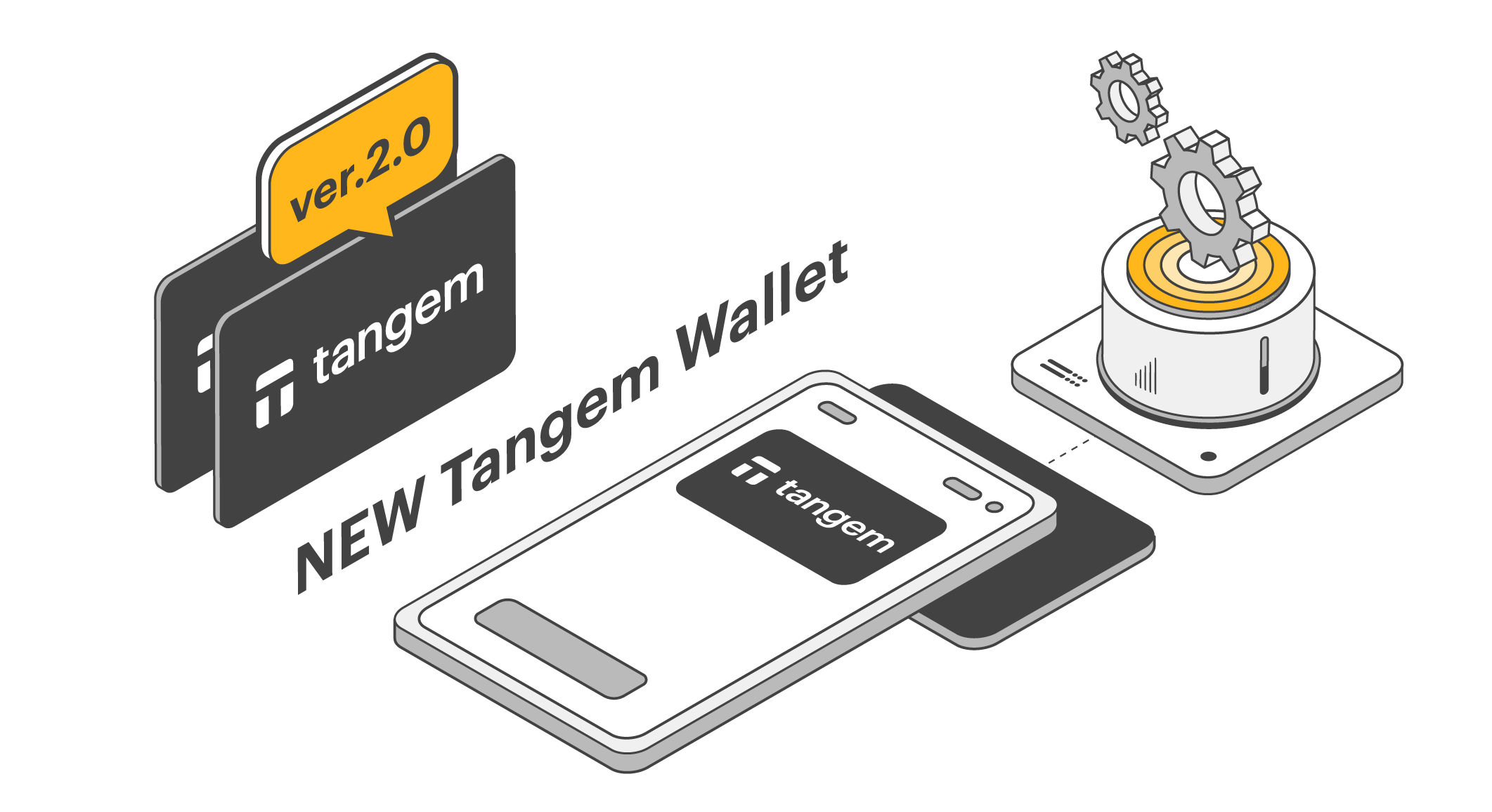
What makes an NFC crypto card different from other cold storage?
Hmm… it’s mostly the user model. With most hardware wallets you connect a device to a computer or phone via cable or Bluetooth, navigate menus, confirm hex strings, and hope you don’t mis-press something. With NFC cards the process is often as simple as tapping your phone to the card to sign a transaction. That simplicity reduces user mistakes. My gut feeling says that lower friction equals fewer user errors long-term.
On the technical side, these cards use a secure element to hold the private key, and signing happens inside the chip. The private key never leaves the hardware. There are fewer attack surfaces and fewer software dependencies. Initially I thought “secure element = black box,” but then I dove into how the chips are certified and audited, and realized there is real engineering here—certs, secure boot, and physical tamper-resistance that matter.
Okay, so check this out—there are trade-offs. NFC cards usually don’t run third-party apps or complex scripts, unlike some open hardware wallets. That can be limiting for advanced multisig setups or custom contract interactions. But for singlesig cold storage and day-to-day safety, the trade-off leans toward fewer moving parts and less to manage. I’m not 100% sure they’re ideal for every scenario, but for most users they fit sweetly.
My instinct said these cards wouldn’t survive scrutiny. Actually, wait—let me rephrase that: I thought they’d fail against determined adversaries. Then I learned about certified secure elements and hardware-backed key protection, and I aligned my threat model. If you’re defending against phishing, malware, or casual physical theft, NFC cards are rock solid. If a state-level actor is aiming to extract keys by force or supply-chain compromise, then you need more layered defenses.
One practical thing that bugs me about traditional seed phrases is human dexterity. Writing 24 words perfectly is harder than it sounds, especially in low light or under stress. NFC cards take that pain away. You don’t memorize a phrase. You control the card. The downside is: if someone steals the physical card and you don’t have a PIN or backup, you’re toast. So, backups still matter—just different ones.
How I actually use my NFC card
I’m old-school about compartmentalizing funds. I keep small amounts in hot wallets, and larger amounts in cold storage. The NFC card holds my long-term stash. When I need to move coins, I create an unsigned transaction on my phone, tap the card to sign it, then broadcast. It’s quick. It’s neat. It feels modern without feeling gimmicky. And yes, sometimes I brag about how tiny it is—it’s pocketable in a wallet with your Starbucks card.
There’s a moment of delight every time it works. Whoa! I tap, it signs, and I’m done. That moment of simplicity is powerful. But don’t mistake delight for complacency. I still verify addresses on the phone app, and I still maintain encrypted backups of recovery options. I also store the backup in a separate location, in case of fire or theft. Redundancy is key—literal redundancy: different formats, different locations.
For people who want a hands-on demo, I recommend trying a trusted product line and following their setup flow slowly. If you want to read more about one widely used solution, check the resource linked here. That guide shows onboarding steps and real-world use-cases that helped me trust the process. I’m not telling you this is the only option—it’s just what I spent real time with and what I recommend based on experience.
Now, about backups—there’s a spectrum. Some cards support programmable backup cards, or allow you to create encrypted paper backups, or split secrets using Shamir Backup schemes. Other cards advise a physical safe plus a bank deposit box. For long-term storage, I prefer multiple staggered backups: one in a bank safe deposit box, one with a trusted family member, and one encrypted in cloud storage with two-factor locked access. It’s not perfect, but it’s practical for a human life.
Here’s a practical gotcha that surprised me: phone compatibility. Not all phones have the same NFC behavior, and some Android customizations can break the tap-to-sign flow. iPhones generally have a smoother NFC experience for passive cards, but do check device support before you buy. I once spent an afternoon troubleshooting a connection that failed because of a power-saving setting—such little details make a difference.
Security considerations and real risks
Longer thought: security isn’t binary; it’s a set of plausible adversaries and mitigations, and you need to map which threats matter to you. A common misconception is that cold equals invulnerable. It doesn’t. Cold storage reduces online attack surfaces, but introduces physical and social attack vectors. Someone could coerce you, find the card, or exploit a manufacturing supply chain if they’re sophisticated enough. That said, for everyday users these risks are low relative to the benefits.
One more nuance: firmware and auditability. Cards that are heavily closed-source can be concerning because you can’t audit their internals. Conversely, fully open hardware sometimes lacks the formal certifications that big secure element vendors provide. On one hand there’s transparency; on the other hand there’s industrial-grade manufacturing and certifications. On balance, I like solutions that combine open tooling for higher-level workflows with certified secure elements for key storage.
I want to call out a behavior I see too often: people buy a secure product and then don’t test recovery. That’s the worst. Practice restores. Test the whole flow in a low-stakes environment. Yes it’s annoying. Yes it’s necessary. If your recovery fails in practice, fix it before it matters. Trust but verify—literally.
FAQ
Are NFC cards safer than seed phrases?
Short answer: safer against common user errors and online attacks, but not universally safer. The key advantage is that private keys are stored in a tamper-resistant chip and never exported, which eliminates many common failure modes tied to human handling of seed phrases. However, physical theft, coercion, and supply-chain attacks remain concerns; backups and good operational security are still required.
Can I use an NFC card for multisig?
Sometimes. Some systems allow an NFC card to act as one signer in a multisig setup, but the specifics depend on the card’s supported protocols and the wallet software. For advanced setups, check compatibility ahead of time and test thoroughly.
What happens if I lose my card?
If you lose the card and don’t have a backup, recovery can be impossible. That’s why establish backups immediately during setup—use a second card, Shamir Backup, or secure seed storage. Also, set a PIN if available to add a layer of theft protection.
To wrap up—well, not a formal wrap-up because that sounds stiff—I’ll say this: NFC crypto cards have matured into a practical cold storage option that many of us will actually keep using. They’re not magic. They don’t solve every problem. But they remove enough friction to change behavior, and in security the best tool is the one you’ll use consistently. I’m biased toward anything that helps people stay safe without making their lives miserable.
So yeah—try one, test your backups, and keep learning. I’m still learning too, and some days I discover a new quirk or workaround that bugs me—but overall, this approach works for the way I live with crypto. Sometimes simple beats elaborate, and that simple thing can be life-changing in a small, powerful way…