Whoa!
I was half-listening to a podcast the other day when somethin’ popped in my head about the chaos of managing assets across networks. My instinct said: there has to be a less annoying way to keep track of everything. At first I imagined a single screen showing every chain, every token, every pending swap—but reality is messier and trust matters more than pretty dashboards. So here I am, scribbling out what actually helps people who live in Web3 every day, and why some design choices matter more than you think.
Really?
Portfolio trackers promise one thing: clarity. Most deliver fragmented views—balances that miss wrapped tokens, tokens on bridges, or assets held in smart contracts. That creates bad math and worse decisions, like selling an asset you thought was free or missing a liquidity position that’s earning yield. On one hand the UX looks nice; though actually, efficient UX needs deep chain scanning and intelligent heuristics that reconcile nonstandard token representations into a single net position.
Hmm…
Let’s dig a little deeper into what a portfolio tracker must do well. It should surface cross-chain exposure and provide provenance—where funds came from and how they moved—so you can answer “did I bridge that?” without digging through etherscan for an hour. Notifications are useful, but they must be meaningful (not ping spam), and smart categorization—staking vs. LP vs. airdrop—saves real time. Initially I thought that a simple balance sheet would be fine, but then realized you need activity context too, because transactions tell a story that pure balances hide.
Here’s the thing.
DApp connectors feel trivial until they betray you. A connector that shoehorns every dApp permission into a single allow-all click is dangerous. Users need granular approvals, session limits, and clear UX for contract calls that will move funds or modify approvals—this is where illusions of convenience become costly. My gut said: “Stop giving blanket approvals,” and that’s borne out by countless hacks where a one-click approval became a lifetime permission. So design should nudge people toward safer defaults without being patronizing.
Wow!
Cross-chain transactions sound magical but they are complex under the hood. Bridges, relayers, and liquidity routers each introduce risk vectors—delays, failed transfers, slippage, and opportunistic MEV activity. A wallet that handles cross-chain flows well will show expected timelines, possible failure modes, and fallback options; it should also let you simulate the route cost before you sign. On one hand bridging is normal now; though actually you should treat each bridge like a service with SLAs and past reliability records.
Really?
Here’s a practical anecdote: I once moved funds across three chains to rebalance a yield position and a bridge hop timed out, leaving me with funds on a foreign chain and a headache. I spent hours on support chats and on-chain proofs. That experience taught me that transaction observability—live logs, timeouts, and rescue tools—are as important as low fees. Wallets that bake in recovery helpers reduce frantic panic, which is worth a lot in stress terms.
Whoa!
For Web3 builders, dApp connectors should adopt ephemeral sessions and least-privilege approvals as design norms. UX patterns like “preview calls” and “show me the calldata” are nerdy but become intuitive with good explanation. Also, reconnect flows (oh, and by the way…) should be seamless when networks change or when users switch hardware keys. I’m biased, but safe-by-default beats sleek-by-default every time—especially after you lose a chunk of funds to an approval scam.
Hmm…
Smart portfolio tracking must also be multichain-native: not just token sums, but the ability to drill into on-chain contracts where your funds live, whether that’s a vault, a lending protocol, or a stake pool. Token standards differ; wrapped representations differ; and some assets are just held as LP tokens that hide underlying components. A good tracker decomposes LPs, shows underlying assets, and flags derivatives so you don’t double-count. Initially I thought this was overkill, but then I saw a user thinking they had $10k when half was staked and locked for 30 days—so context matters.
Here’s the thing.
Security signals are underrated. A wallet should show contract risk scores, ask for re-approval when rules change, and make nonce management transparent so users understand when transactions might be front-run. Also, tools for gas optimization and front-run protection (where applicable) should be present without requiring advanced knowledge. My instinct said that too many wallets hide the complexity; they should instead teach while protecting—micro-education that matters during high-stakes transactions.
Wow!
A practical pick: for anyone evaluating options, test the wallet on these axes—how it reports cross-chain balances, the granularity of dApp permissions, and what recovery or observability tools it provides. Check how it surfaces failed transfers and whether it provides human-readable explanations of complex calls. I used a wallet that combined those strengths and it changed how I manage assets; it reduced my anxiety around multi-hop swaps and made me trust my own decisions more. I’m not sponsored—just sharing what works in real life.
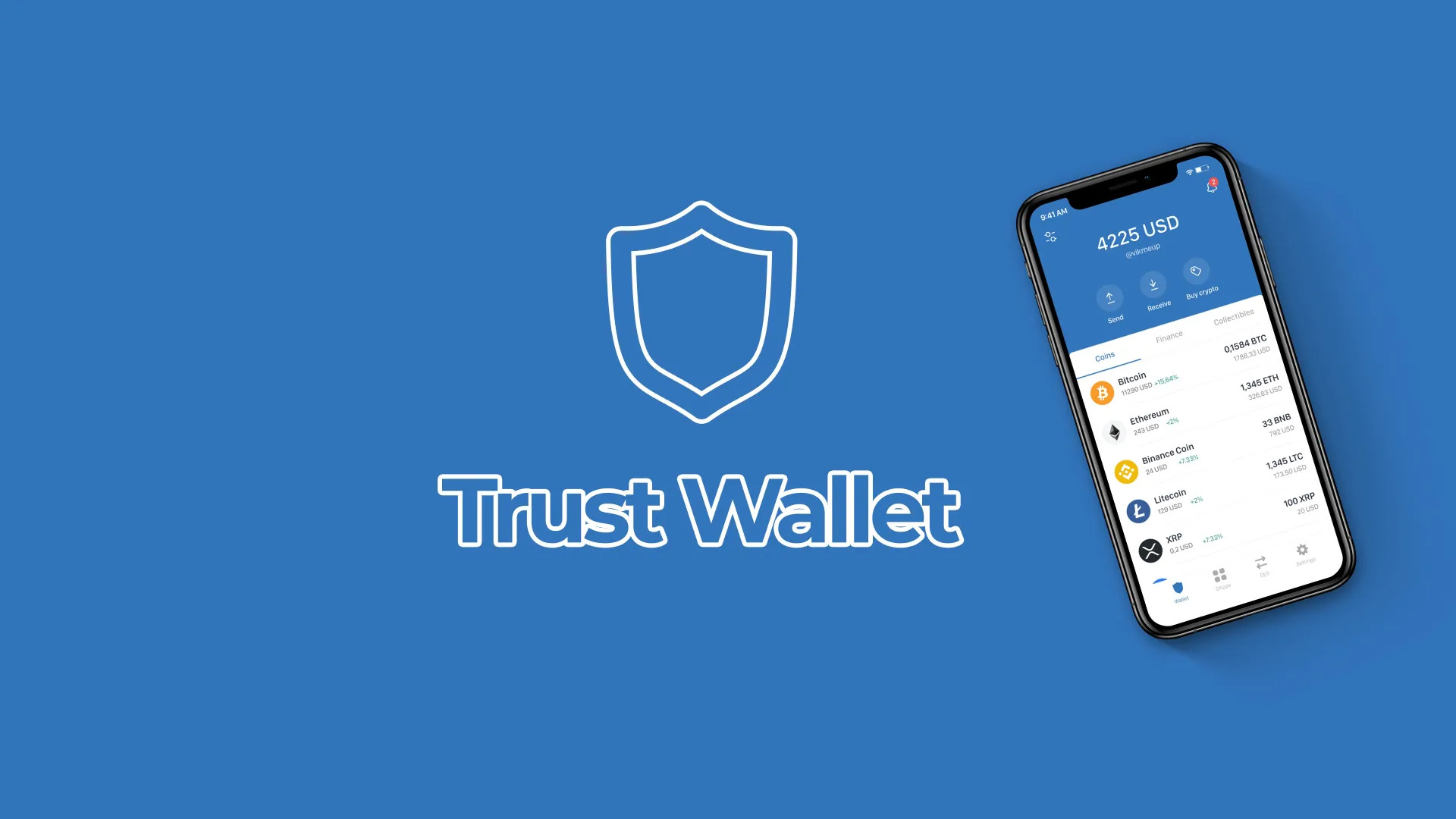
A wallet that ties these threads together
When a wallet integrates a portfolio tracker, a privacy-aware dApp connector, and robust cross-chain tooling, the user experience becomes a lot more than the sum of its parts. If you’re evaluating wallets, consider one that puts reconciliation, granular permissions, and cross-chain observability front and center—try a hands-on flow and watch how it handles a failed bridge hop and an approval revocation. For a practical starting point, check out truts wallet which takes many of these design choices seriously and aims to balance convenience with safety.
Seriously?
Okay, small checklist to run quickly: verify your wallet shows (1) full asset provenance, (2) decomposed LP positions, (3) sessioned dApp approvals, and (4) explicit cross-chain routing details. Do these tests before you move large amounts—because tools look good until they don’t. I’m not 100% sure any single wallet solves every edge case, but picking one that reduces the common failure modes gets you most of the way there.
FAQ
How do I know my cross-chain transfer completed successfully?
Look for explicit finalization signals in the wallet UI (not just “completed” notifications). Good wallets show both the sender and receiver confirmations, the bridge transaction IDs, and any oracle confirmations if used. If something times out, the wallet should provide a clear recovery or proof workflow so you can escalate without guesswork.
Are dApp connectors safe to use for every interaction?
Not always. Use least-privilege approvals and ephemeral sessions for risky or repeated interactions, and revoke permissions after use when possible. Treat blanket approvals like leaving your front door unlocked—convenient until it’s not. Also, prefer connectors that explain what each permission actually allows the dApp to do.